Updated: July 2026
Electric Yacht Komodo — A Complete Guide to Sustainable & Eco-…
Electric Yacht Komodo is a curated Indonesia luxury tourism experience offered by Electric Yacht Komodo: handpicked routes, vetted operators, transparent pricing, and 24/7 concierge support across Indonesia.
- What makes Electric Yacht Komodo a premium experience.
- How Electric Yacht Komodo curates exclusive access and concierge logistics.
- Routes, seasons, and pricing transparency — no hidden fees.
A Complete Guide to Sustainable & Eco-Friendly Tours in Komodo
Komodo National Park, a UNESCO World Heritage site since 1991, presents a profound paradox: its primeval beauty is both its greatest allure and its most fragile asset. As discerning travellers seek authentic encounters within this 1,733 km² landscape, the conversation shifts from mere observation to conscious participation. This guide explores responsible tourism in Flores, detailing how to experience the archipelago’s wonders—from its legendary dragons to its vibrant reefs—while actively contributing to their preservation, a philosophy at the core of the electric yacht komodo experience.
The Rise of Responsible Tourism in Flores
The rapid development of Labuan Bajo as the gateway to Komodo has brought both opportunity and significant environmental pressure, with visitor numbers surging past 180,000 annually pre-pandemic. The once-sleepy fishing village is now a bustling hub for over 500 registered tour boats, highlighting the urgent need for a more considered approach to exploration. This sheer volume of traffic poses a continuous challenge to the delicate marine and terrestrial ecosystems that make this region unique.
In response, responsible tourism in Flores is no longer a niche concept but an essential framework for the region’s future. It moves beyond simply ‘leaving no trace’ to actively creating a positive impact, where a portion of the park’s daily IDR 150,000 entrance fee is allocated to conservation. This involves supporting local economies, respecting cultural norms, and prioritising operators who invest in green technologies that can reduce a vessel’s carbon footprint by over 90%.
This paradigm shift is visible across the archipelago, from community-led waste bank initiatives in villages like Papagarang to the adoption of advanced sustainable practices in the marine sector. The discerning traveller now plays a crucial role, as over 70% of global tourists indicate a preference for sustainable options. Every choice, from the charter selected to the souvenirs purchased, directly influences the trajectory of sustainable travel in Indonesia and helps safeguard Komodo for generations to come.
Choosing Your Eco-Conscious Komodo Charter
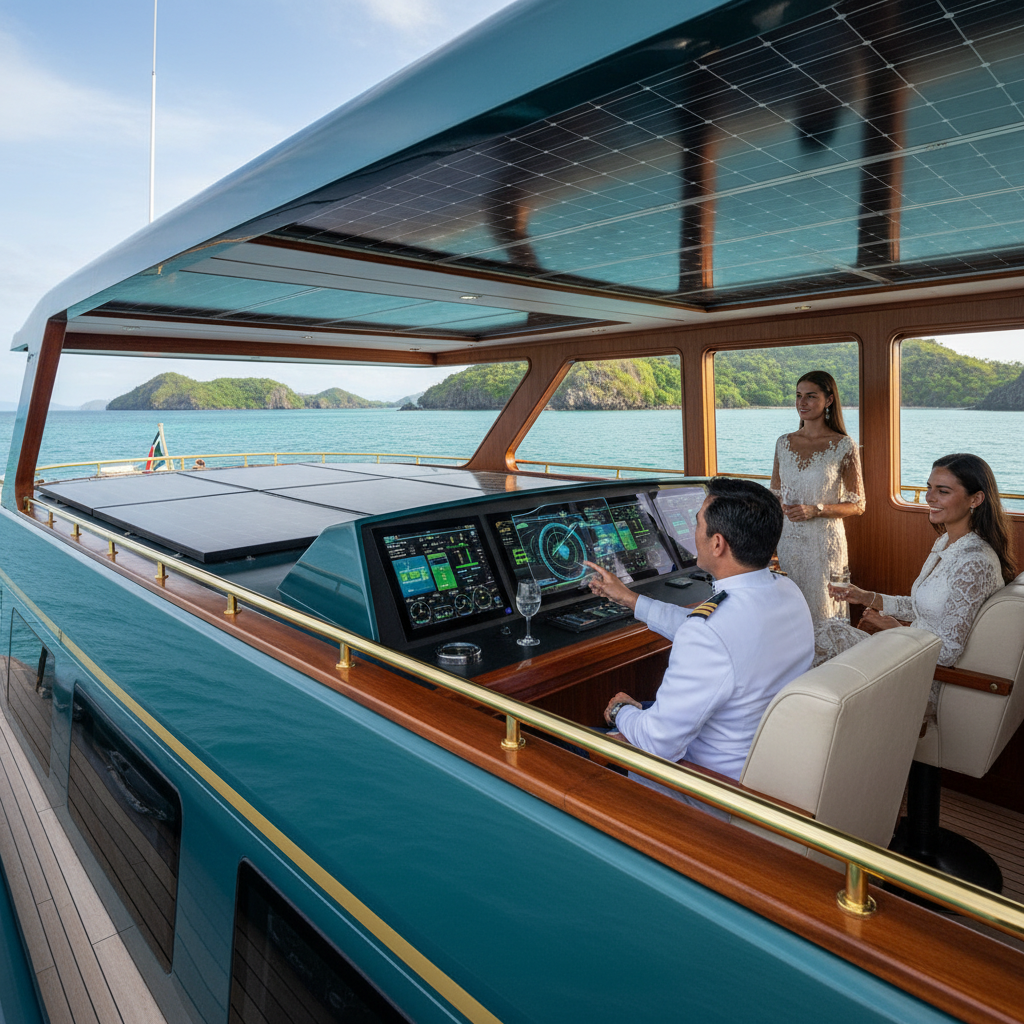
The vessel you choose is the single most significant factor in determining your environmental footprint. While traditional wooden phinisis are iconic, most rely on diesel engines that can consume over 30 litres per hour, contributing to noise and water pollution. The advent of the electric yacht komodo charter represents a significant leap forward, offering silent cruising at under 50 decibels that respects the marine soundscape and can cut propulsion-based CO2 emissions by up to 95%.
When vetting a charter, our editorial standards demand scrutiny beyond the propulsion system. With the average tourist generating up to 1.5 kg of waste daily, a truly eco-conscious operator will have a closed-loop waste management system, eliminating discharges and ensuring all refuse is processed on land. The absence of single-use plastics should be a non-negotiable standard, replaced by onboard water desalination systems capable of producing over 500 litres of fresh water daily.
Furthermore, an operator’s commitment to sustainability is reflected in their sourcing policies and crew training. Enquire if they procure over 80% of fresh produce from local markets in Labuan Bajo, thereby supporting the Flores agricultural community. A well-trained crew understands meticulous anchor placement, dropping it in sand at least 30 meters from any reef, adheres strictly to all park regulations, and provides guests with vital resources like complimentary reef-safe sun cream.
Ethical Wildlife Encounters: Beyond the Dragon
The Komodo dragon (Varanus komodoensis), with a wild population of around 3,000 individuals, is the park’s apex predator and its most famous resident, but an encounter must be on its terms. Ethical wildlife tourism dictates that all viewings are conducted from a safe and respectful distance of at least 5 meters, always accompanied by an official, highly trained park ranger. There should be no feeding or baiting, as the goal is passive observation, not interaction—a core principle of Komodo National Park conservation.
This ethos extends beneath the waves, where some of the world’s most vibrant marine biodiversity thrives. The waters around the park are a globally significant sanctuary. When snorkelling or diving at top-tier sites like Manta Point or the kaleidoscopic Batu Bolong, the rule is simple: look, but do not touch. Chasing marine life, particularly the majestic reef mantas, causes significant stress and can drive them away from vital feeding and cleaning stations, disrupting their natural cycles.
A responsible guide will brief you thoroughly on passive observation techniques before you enter the water. This includes maintaining neutral buoyancy while diving to float effortlessly above the reef, never standing on or touching coral (which is a living animal), and learning to read the subtle cues of the marine creatures you are privileged to witness. Your presence should be a benign and fleeting one.
Supporting Marine Conservation Projects in Komodo
True sustainability involves active participation in preservation, moving from a passive visitor to an engaged steward of the environment. Several dedicated non-governmental organisations are on the front lines of Komodo National Park conservation, working tirelessly to protect its fragile ecosystems through research, restoration, and community outreach. Discerning travellers can contribute directly by choosing operators who have established meaningful partnerships with these groups.
These vital collaborations can take many forms. Some forward-thinking charters contribute a portion of their revenue to local marine conservation projects, funding coral reef restoration, anti-poaching sea patrols, or waste management initiatives in coastal villages. Others participate in ‘citizen science’ programmes, where guests can help log sightings of key species like manta rays, turtles, or dugongs, providing valuable data for researchers at organisations like the Manta Trust.
Before booking your journey, enquire about an operator’s conservation ties. Do they support the work of the Komodo Survival Program? Do their guides provide insightful educational talks on the ecological challenges facing the Coral Triangle? A truly eco-conscious journey is one that is informed by, and contributes to, the scientific and conservation efforts that are essential for safeguarding the future of this incredible region.
Community-Based Tourism: Engaging with Flores Culture
The cultural landscape of Flores is as rich and diverse as its natural one. Community-based tourism in Flores offers a powerful way to connect with this heritage while ensuring that economic benefits are distributed equitably and directly to the people. This respectful approach empowers local communities, allowing them to share their culture and traditions on their own terms, fostering pride and creating sustainable livelihoods that are not solely dependent on marine resources.
A well-curated, responsible itinerary might include a visit to a village like Papagarang or the remarkable Mesa Island, home to the Bajau people. Here, the focus is on genuine, pre-arranged exchange rather than intrusive tourism. It could involve visiting a local school, learning about traditional boat-building techniques from a master craftsman, or purchasing beautiful, hand-woven ‘tenun’ textiles directly from the artisans who created them, ensuring they receive the full value of their work.
This philosophy also extends to land-based accommodation for those wishing to extend their stay. For pre- or post-charter arrangements, consider a thoughtfully designed eco lodge near Komodo. The best examples are those that employ and train local staff, utilise sustainable and locally sourced building materials, and integrate seamlessly into the surrounding environment and community, rather than imposing upon it.
Frequently Asked Questions About Sustainable Komodo Travel
What is the best time of year for an eco-friendly Komodo tour?
The dry season, from April to November, offers the best conditions with calm seas and clear skies. Visiting during the shoulder months, such as April-May or September-October, can provide an excellent balance of good weather and fewer visitors. This helps reduce the pressure on popular sites within the park, aligning with the principles of responsible tourism by spreading the visitor load more evenly throughout the year.
How does an electric yacht reduce environmental impact in Komodo?
An electric yacht in Komodo dramatically reduces impact in several key ways. Its primary benefit is the elimination of exhaust fumes and oil slicks, preserving water and air quality. The silent propulsion system also minimises acoustic disturbance to sensitive marine life, such as whales and dolphins, which rely on sound for communication and navigation. This creates a more harmonious and less intrusive presence within the pristine national park.
Are there park fees, and where do they go?
Yes, all visitors must pay official park entrance and conservation fees. These funds are crucial for the management of Komodo National Park. They are used to pay ranger salaries, maintain trails and facilities, fund anti-poaching patrols, and support conservation research. Paying these fees is a direct and vital contribution to the protection of the park’s unique biodiversity and ensures its resources are managed for the long term.
What is ‘reef-safe’ sun cream and why is it important?
Reef-safe sun creams are formulated without chemicals like oxybenzone and octinoxate, which have been scientifically proven to cause coral bleaching and damage delicate marine ecosystems. When you swim, conventional sun creams wash off and introduce these harmful substances into the water. Using a mineral-based (zinc oxide or titanium dioxide) reef-safe alternative is a simple yet powerful act of personal responsibility for marine conservation in Komodo.
Can I offset the carbon footprint of my flight to Flores?
Yes, offsetting the carbon emissions from your flights to Labuan Bajo (LBJ) is a highly recommended practice for any eco-conscious traveller. Many airlines offer this option during booking, or you can use reputable third-party organisations like Gold Standard or Verra. These services invest your contribution into certified global projects, such as reforestation or renewable energy, helping to mitigate the environmental impact of your air travel.
How can I be sure my tour supports local communities?
Ask your charter operator specific questions. Do they hire crew from local Flores communities? Do they purchase produce and supplies from the markets in Labuan Bajo? Do they facilitate respectful, non-performative visits to villages like Papagarang or Mesa? True community-based tourism focuses on equitable partnerships and direct economic benefit, rather than just observation. A reputable operator will be transparent about their local engagement policies.
Is it safe to swim and snorkel in Komodo National Park?
Yes, it is generally very safe, provided you are with an experienced and knowledgeable local guide. The currents in Komodo can be powerful and complex, so it is essential to follow your guide’s instructions at all times. They understand the tides and will only take you to sites that are appropriate for your skill level and the day’s conditions. Always stay with your group and never swim or snorkel alone.
What should I avoid buying as a souvenir?
To support conservation, never purchase products made from marine life, including shells, coral, shark teeth, or turtle shells. Buying these items creates a market that encourages destructive harvesting practices. Instead, opt for beautiful, locally made handicrafts such as ‘tenun’ ikat weavings from Flores, wooden carvings, or locally grown coffee. These purchases directly support local artisans and the community-based tourism economy.
How is waste managed on an eco-conscious charter?
A leading eco-conscious charter will have a strict “pack in, pack out” policy and a zero-discharge philosophy. All waste—including greywater—is stored in sealed tanks onboard. Nothing is ever thrown or pumped overboard. The vessel will have systems to sort recyclables from general waste, and everything is offloaded upon return to Labuan Bajo for proper, land-based disposal. Single-use plastics are completely eliminated in favour of reusable alternatives.
What is the difference between visiting Komodo Island and Rinca Island?
Both islands are home to Komodo dragons and offer excellent trekking opportunities with park rangers. Rinca is generally considered to offer more reliable sightings as the dragon population is denser and the landscape is more open savannah. Komodo Island is larger, with a more varied, forested terrain. An ethical tour operator can advise which island is best to visit based on current conditions and to help disperse visitor impact across the park.
Are there opportunities for volunteering in conservation?
While short-term volunteering on a brief charter is not typically feasible, you can contribute through ‘citizen science’. Some operators partner with research groups, allowing guests to help photograph and identify manta rays or record marine megafauna sightings. This data is invaluable to scientists tracking populations. For longer-term, dedicated volunteering, it is best to contact organisations like the Komodo Survival Program directly well in advance of your travels.
How does ethical wildlife tourism apply to manta ray encounters?
When encountering manta rays at sites like Karang Makassar, ethical conduct is paramount. This means no chasing, touching, or swimming directly above the animals, which can block their path to the surface. Boats should approach the area slowly and quietly. In the water, snorkelers should remain calm and stay on the surface, allowing the mantas to approach on their own terms. This passive observation ensures the animals are not stressed and can continue their natural feeding and cleaning behaviours.
Begin Your Conscious Komodo Journey
Crafting a journey that aligns with your values and contributes positively to the Komodo ecosystem requires careful planning and expert local knowledge. It is a commitment to a more thoughtful and rewarding form of travel. To discuss a bespoke, sustainable itinerary that explores the wonders of the archipelago with minimal impact, please contact our specialists. You can reach us via email at [email protected] or on WhatsApp at +62 811-3823-875.